How to Inspect a Used Car Before Buying: A Practical Checklist
A used car only has to look good for the ten minutes you spend deciding to buy it. A careful inspection is how you make sure it's still good ten months later. You don't need to be a mechanic — most expensive problems leave visible clues if you know where to look.
Before you visit: do the paperwork first
Start with the listing itself. Note the VIN, mileage and price, and run a vehicle history report before you drive anywhere. A reported accident, a salvage title or odometer inconsistencies can save you the trip entirely.
Exterior checks
- Panel gaps and paint. Look down each side of the car in daylight. Uneven gaps between panels, paint that doesn't quite match, or overspray on rubber trim are classic signs of accident repair.
- Rust. Check wheel arches, rocker panels, the bottoms of doors and around the windshield. Surface rust is manageable; bubbling paint or flaky structural rust underneath is a walk-away problem.
- Tires. Uneven wear across a tire usually means alignment or suspension issues. All four tires should be the same brand and have even tread depth.
- Glass and lights. Chips and cracks are negotiating points; fogged-up headlight housings may hide moisture damage.
Under the hood
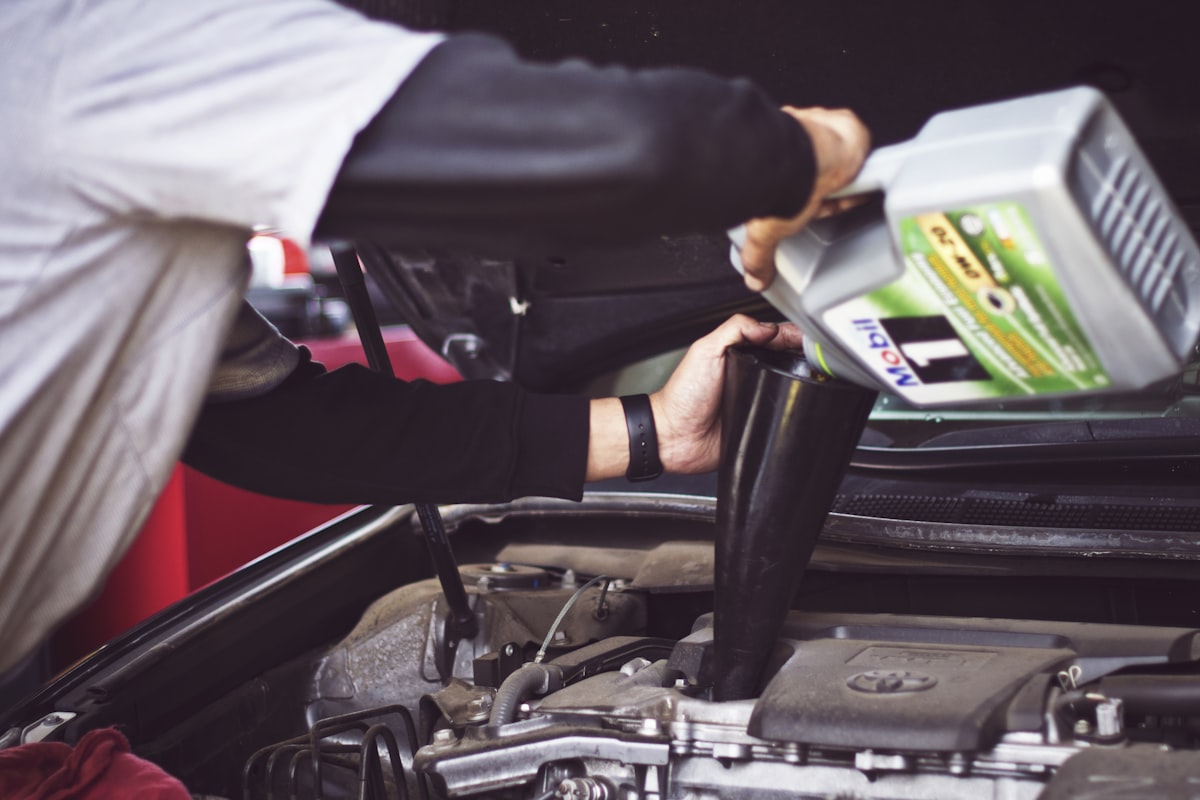
- Oil. Pull the dipstick — the oil should be amber to dark brown, never gritty or milky. A milky, coffee-with-cream color can indicate coolant mixing with oil, which is a serious engine problem.
- Coolant. Check the overflow tank with the engine cold. It should be clean and brightly colored, not rusty or oily.
- Belts and hoses. Look for cracking, fraying or soft, swollen hoses.
- Leaks. Look at the ground where the car is normally parked and underneath the engine after your test drive.
- Battery and terminals. Heavy corrosion is cheap to fix but tells you about how the car was maintained.
Interior checks
- Every electronic, every button. Windows, locks, mirrors, seats, climate control on hot and cold, infotainment, backup camera, every seatbelt.
- Warning lights. Turn the key to "on" without starting: the check-engine and airbag lights should illuminate, then go out after starting. A light that never comes on at all may have had its bulb pulled.
- Smells. A musty smell suggests water intrusion or flood history. Heavy air freshener can be masking it. Lift the carpet in the trunk and check the spare-wheel well for water lines or rust.
- Wear vs. mileage. A heavily worn steering wheel, shifter and driver's seat on a "low mileage" car deserve skepticism.
The test drive
Never skip it, and don't let the seller drive first. Cold-start the engine yourself — rattles, smoke or rough idle on a cold start reveal problems a warmed-up engine hides. Use our full test drive checklist for what to feel and listen for at city and highway speeds.
The pre-purchase inspection (PPI)
For any car you're serious about, pay an independent mechanic for a pre-purchase inspection. It typically costs $100–$200 and takes about an hour. A seller who refuses to allow a PPI is telling you something important — believe them and move on. The report also doubles as a negotiating tool: a documented list of needed repairs justifies a lower offer better than any haggling technique.
Paperwork at purchase
- The title should be in the seller's name, with no liens (or a clear payoff plan through the lender).
- The VIN on the title, the dashboard and the door-jamb sticker must all match.
- Ask for maintenance records — a folder of receipts is one of the best signs a car was cared for.
An hour of checking is the cheapest insurance you'll ever buy on a car. When you're ready, browse used cars near you and put the checklist to work.
Browse real listings in your area.
This article is general information, not legal or financial advice. Prices, loan terms and program details change frequently and vary by location — always confirm details with the seller, your lender or a qualified mechanic.